ABOUT ANGELA WATSON
kk

Angela’s journey starting WYGULMUT -People Skills For Ethical Dog Trainers
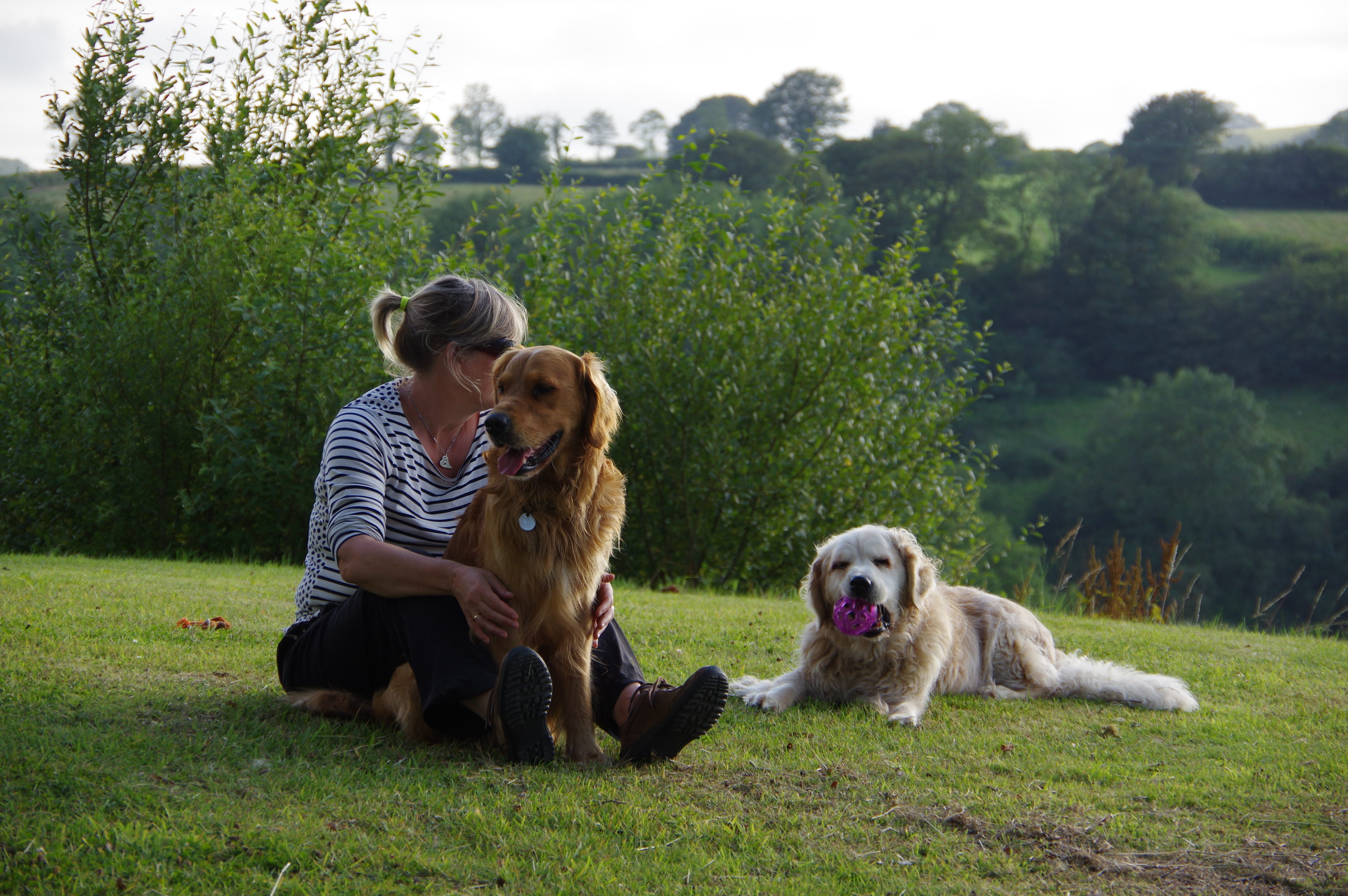
As a child I grew up with our family dogs, but as an adult with a full time job as a Nurse and Manager in the NHS I couldn’t have a dog. Later, a major life upheaval, and a twist of fate allowed me to have a dog of my own. A golden retriever called Lucy.
That’s when this all started…
With my dog Lucy, a flame was ignited inside. Having her meant I didn’t want to be away at work all day. I wanted to be with Lucy.
So I ditched my job to start my own training consultancy and spent 10 years learning a raft of advanced communication approaches, some manipulative and some not.
I learned these approaches while working as a leadership development consultant, executive coach, and as a Principal Trainer for an Executive Coach Training company. I cherry picked the most ethical communication approaches to teach on my workshops.
Right from the start I noticed the parallels between working with people and working with dogs.
I believed that training Lucy would allow us to build and celebrate our special relationship together.
To me that meant her training had to be done with kindness, understanding, and without manipulation, pressure or coercion. So off we went to pet dog training classes.
But there was a problem.
I only found dog trainers who believed that dogs needed to be dominated and didn’t have very good people skills.
I’m ashamed to say, in the beginning I just did what the trainer told me to do. Even though it didn’t feel right.
I loved training Lucy and I turned up every week without fail. I gradually started to ignore the ‘dominance’ method, and Lucy excelled in puppy class. She progressed rapidly through the classes and soon, I was asked to teach a class myself. The trainer who mentored me had very little patience with her clients and I cringed at her reactions to her students. Some voted with their feet. I vowed I would not treat people (or dogs) with the same disdain and disrespect.
In the end, after my second dog Harry was attacked during a lesson and started reacting badly to other dogs, we were told to leave the class because he was being ‘disruptive ‘! It was a blessing in disguise.
Those early dog training days left me with an allergy to these kind of ‘command and control’ dog training approaches and dog training in general. And years of deep shame for how I’d been with my own and other people’s dogs. It left a bad taste in my mouth and I thought about giving up training altogether.
Why had I stayed so long? Those approaches felt awful to do, how had I been so swept up by it? What other options were there? Were there ways of training dogs that both worked better and felt better for all involved?
Then I reached out to trainers in the competitive obedience world and that’s where I discovered ethical, force free, positive reinforcement training.
It took time but I began to find a better way to train my dogs, that felt good for both of us.
Harry transformed from a stressed-out, reactive dog into the legend who went on to compete at Crufts with a big smile on his face!
I spent some time unlearning and unpacking what I’d been through. During this period of reflection, I noticed how so many positive dog trainers struggled with the people side of dog training. Quiet conversations at dog shows revealed how they loved working with dogs, but found teaching the owners challenging. They had modern, ethical dog training businesses. They were great at finding clients but struggled to keep them. And even if they wanted to learn how to improve their people skills, they couldn’t because they were often on the most shoestring of budgets and many of the communication skills workshops cost a small fortune to attend. They were not accessible to the people who needed them the most. But these were the trainers the dog world needed the most. More examples of positive dog trainers (who were doing so much good), were needed, not less.
This experience prompted me to revisit the knowledge I had previously shared with thousands of corporate clients in hundreds workshops and one-on-one sessions, and tailor it to have something useful to offer these people. I made the decision to launch a 20-minute introductory webinar online, and to my delight, I found a significant level of interest from ethical dog trainers.
Despite experiencing the good, bad, and the ugly side of the dog training world, I found an appreciation and love for training dogs and their owners, and started offering competitive obedience lessons and group days at my Paddock in Berkshire.
I began to sharing the understanding I had come to with dog trainers and behaviourists: You didn’t have to choose between doing what you love (training dogs) and doing what you dislike (teaching owners). Doing both could feel good.
Since August 2024, I’ve been sharing my people skills workshops online, bringing refreshing ideas to conscious dog trainers and ethical dog businesses that help them run successful clubs and businesses in a way that feels good to everyone involved.
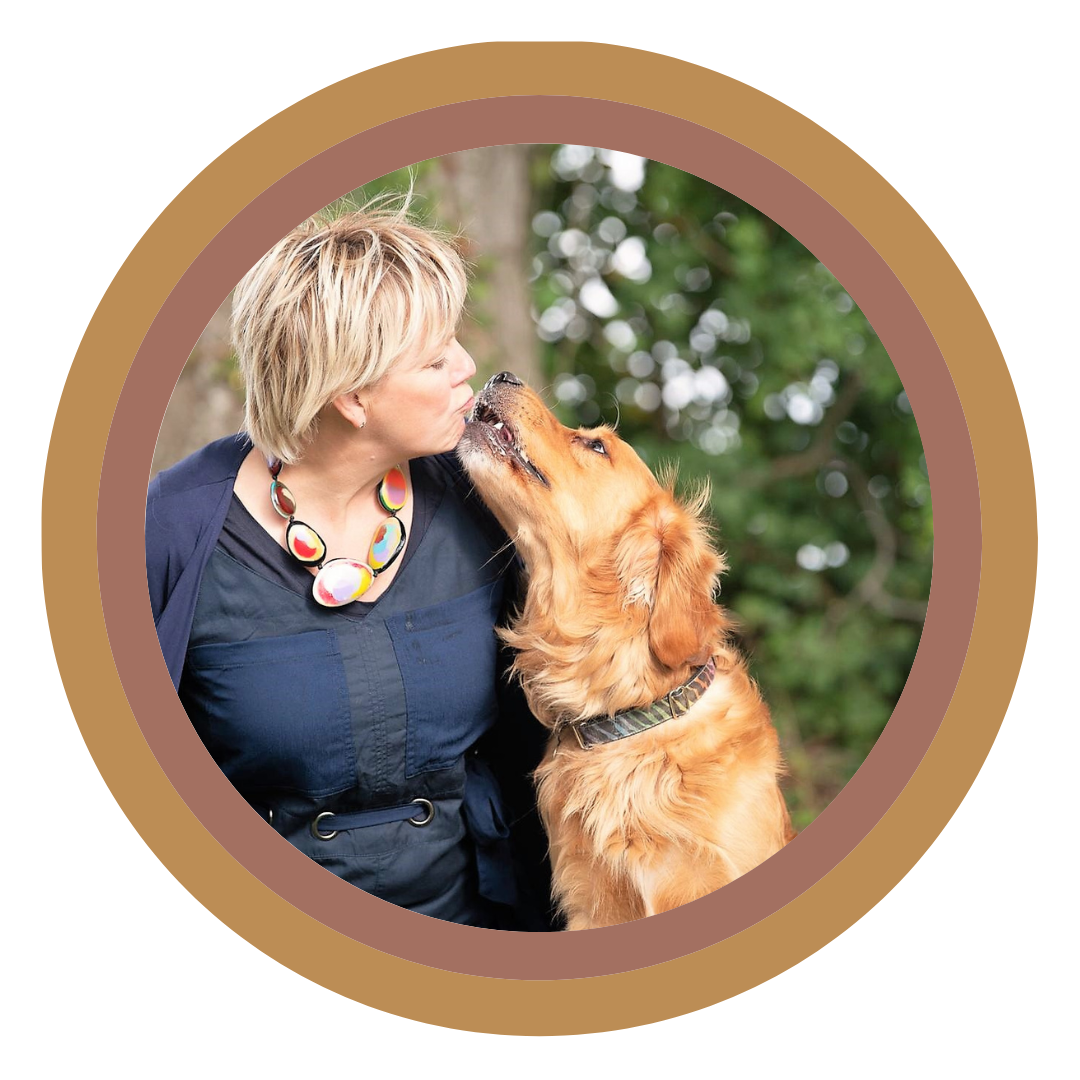
Angela and Jasper
I currently live in the village of Old Basing, originally a sixth century Anglo-Saxon settlement, best known for the ruins of Basing House, brought down by Cromwell during the English Civil War, and The Street Bakehouse.
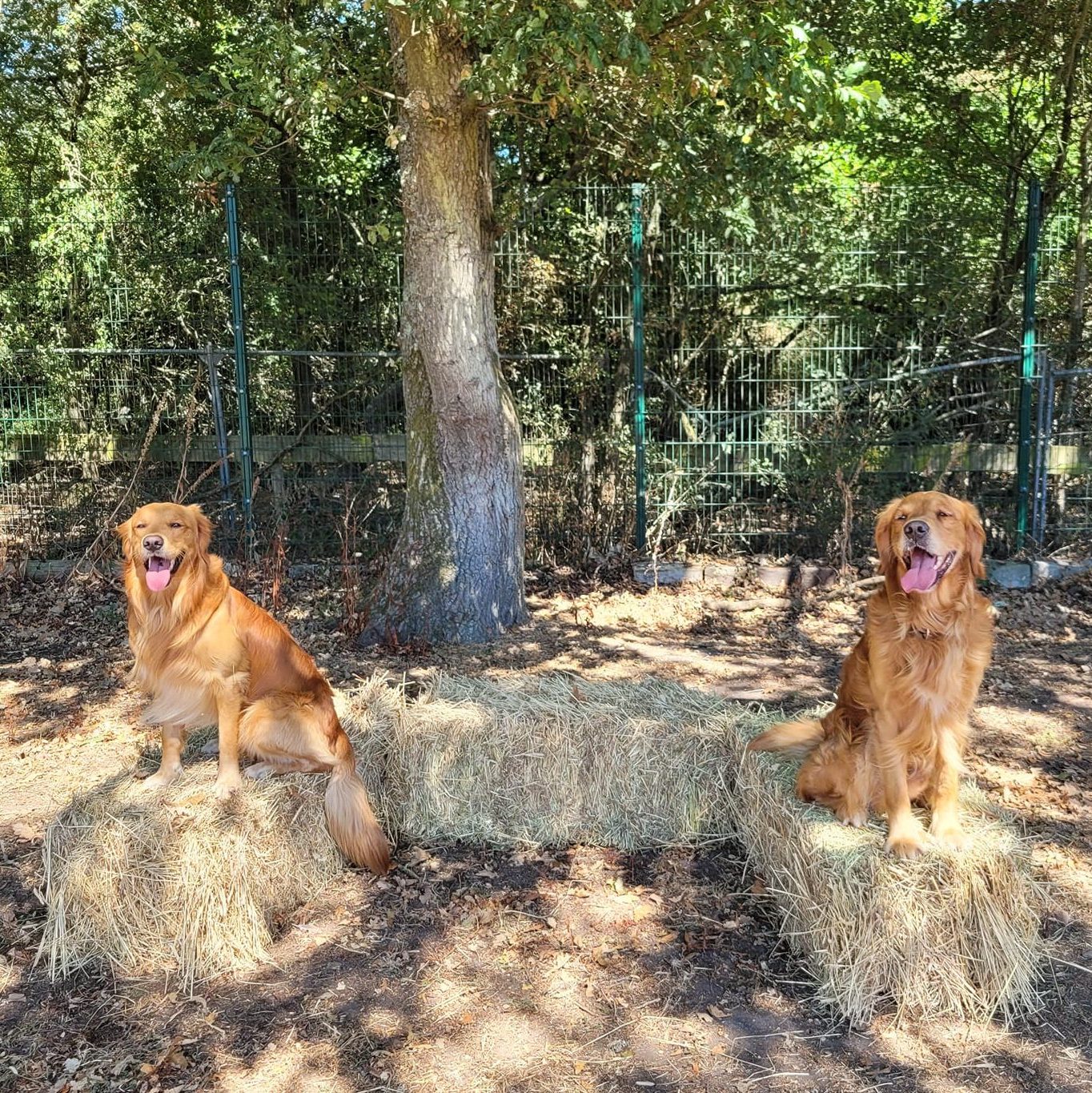
I’m dedicated to spending the rest of my days preserving and fostering a more respectful human and canine culture, and touring the country, with Jasper and Berty in my van – going wherever the training camps and competitions lead…
To prove that dogs trained with kindness, understanding, and no pressure can succeed at the top level in dog sports.

How is WYGULMUT training ethical?
Many dog owners who are kind, and compassionate, often get caught in a ‘tug-of-war’ when it comes to training their dogs.
On the one hand they want to train their dogs with kindness and respect…and on the other hand they feel like they have to use a training technique taught by an ‘expert’ even though it feels contrived, harsh, or manipulative.
Not WYGULMUT.
We have dog training skills AND people skills, and we want you to LOVE your dog training journey with your dog as much as we do.
WYGULMUT cares about dogs AND people, we train with kindness, and there is no pressure on anyone to do anything that doesn’t feel good.
WYGULMUT training is provided with passion, purpose, and soul, to be enjoyable.
It is respectful, enjoyable, and feels good for all involved. We put the emotions and feelings of dogs and people at the centre of our training – as we integrate our highest values into our work, unlocking the potential in all of us and preparing us all for our adventures together in this wonderfully bonkers world.
That’s WYGULMUT – obedience training and people skills training for ethical dog trainers – it’s enjoyable to help people who were once at the end of their tether transform their own lives and the lives of dogs and their owners whilst enjoying every step of the journey.

Your WYGULMUT training experience will be enjoyable, otherwise let us know and we’ll act on your feedback.
“Angela has the powerful and rare talent of humour. Her ability to move from profound insight to a place of lightness and fun to really land a message is quite brilliant. An immensely impactful coach and trainer.”
– Wil Van Zyl
Angela’s care and compassion goes beyond human beings to include animals, especially dogs. She communicates without words, using a glance or a touch and expresses openness, love, and a willingness to embrace life, whatever comes along. And I’ve never laughed so much.
JP.
Sign up to receive news, updates, and events.
kk
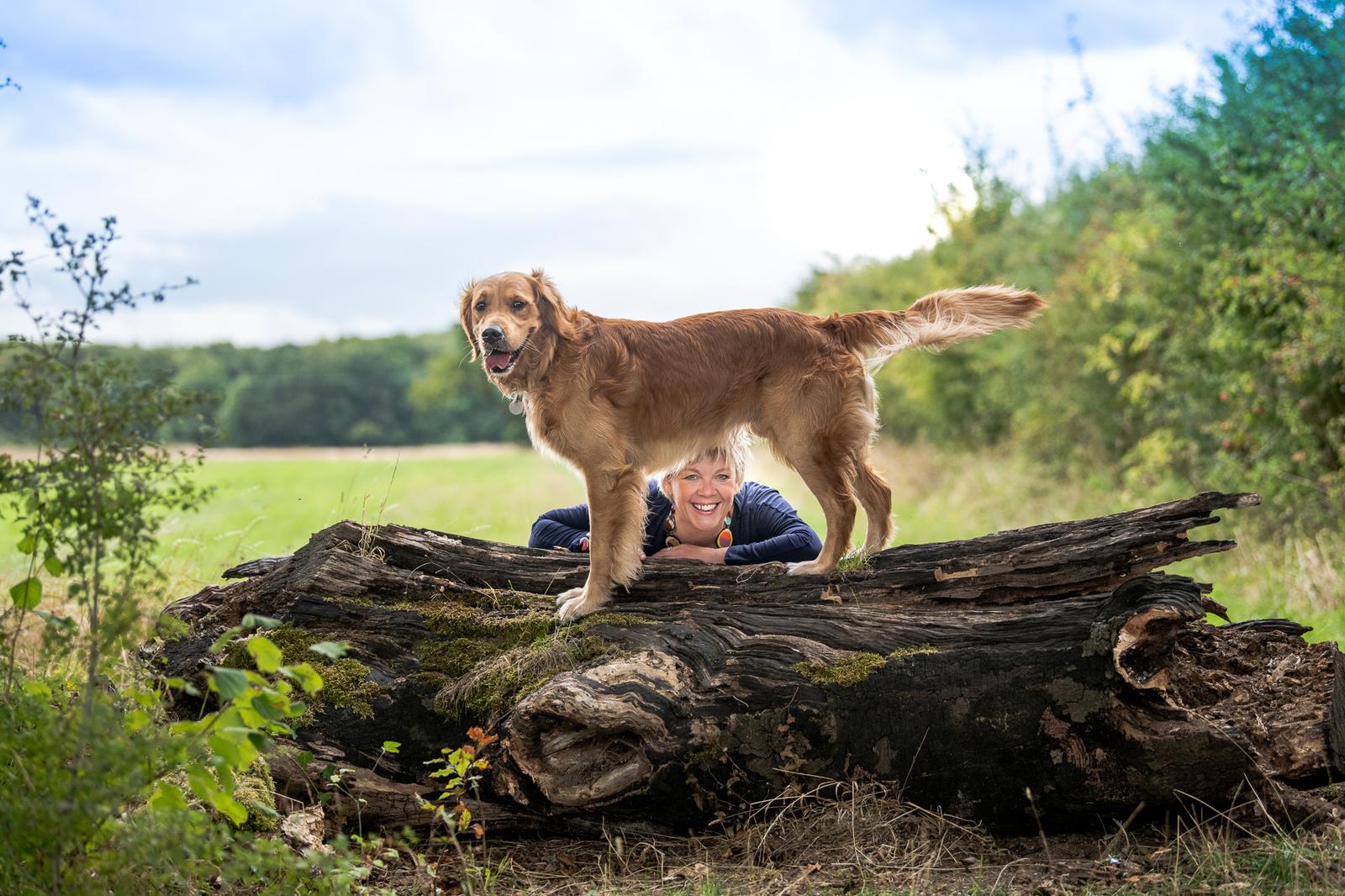
ENJOY EVERY STEP OF YOUR JOURNEY TOGETHER
Sign up to receive news, updates, and events.
 Angela Watson